




In today’s modern diet, added sugars have become ubiquitous, finding their way into a vast array of foods and beverages. While they may enhance flavor and sweetness, the excessive consumption of added sugars can have detrimental effects on our health. This article explores the alarming impact of added sugars on the body, from metabolic disruptions to long-term health consequences.
Understanding Added Sugars
Before delving into their effects, it’s crucial to understand what added sugars are. Added sugars are sugars and syrups added to foods and beverages during processing or preparation. They differ from naturally occurring sugars found in fruits and dairy products.
The Sugar Rush: Immediate Effects
When consumed, added sugars can lead to a rapid spike in blood sugar levels, commonly known as a “sugar rush.” This sudden surge in glucose can cause feelings of energy and alertness, but it’s often followed by a crash, leaving one feeling tired and lethargic.
Metabolic Disruptions
The continuous consumption of added sugars can wreak havoc on our metabolism. High sugar intake can lead to insulin resistance, where cells become less responsive to insulin, the hormone responsible for regulating blood sugar levels. This can ultimately result in the development of type 2 diabetes.
Weight Gain and Obesity
Added sugars are calorie-dense but nutrient-poor, contributing significantly to excess calorie intake. This excess energy is stored as fat, leading to weight gain and an increased risk of obesity. Furthermore, sugary beverages are particularly problematic in this regard, as they don’t trigger satiety signals in the same way solid foods do, leading to overconsumption.
Cardiovascular Consequences
A diet high in added sugars is linked to an increased risk of cardiovascular diseases. Excessive sugar intake can raise blood pressure, triglyceride levels, and LDL cholesterol, all of which are risk factors for heart disease and stroke.
Dental Decay
One of the most well-known effects of sugar on health is its contribution to dental cavities. Bacteria in the mouth feed on sugar, producing acids that erode tooth enamel and lead to decay. Limiting added sugars is crucial for maintaining good oral health.
Mental Health Implications
Emerging research suggests a connection between high sugar intake and mental health disorders. Excessive sugar consumption may contribute to mood swings, anxiety, and depression. Moreover, the addictive nature of sugar can lead to cravings and dependence, further impacting mental well-being.
Hidden Sugars: Reading Labels
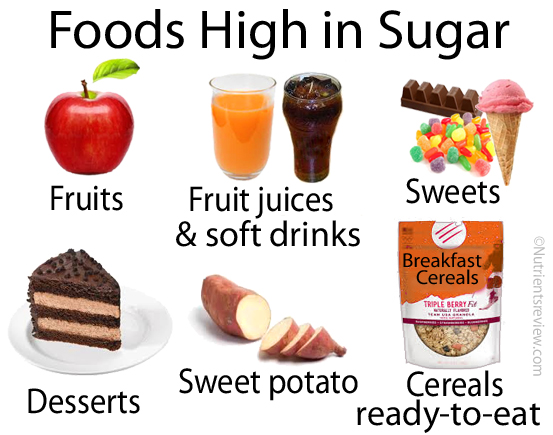
One of the challenges in avoiding added sugars is their presence in unexpected foods. Processed foods, condiments, sauces, and even seemingly healthy options like yogurt can contain added sugars. Learning to read labels and identify hidden sugars is essential for making informed dietary choices.
Sugar and Children’s Health
Children are particularly vulnerable to the harmful effects of added sugars. Excessive sugar intake in childhood is linked to obesity, type 2 diabetes, dental problems, and poor dietary habits later in life. Parents and caregivers play a crucial role in promoting healthy eating habits and limiting sugar consumption in children.
Healthy Alternatives
Reducing added sugars doesn’t mean sacrificing taste. There are plenty of natural alternatives and strategies to satisfy cravings without compromising health. Choosing whole fruits, using spices like cinnamon and vanilla for flavor, and opting for water or unsweetened beverages are simple yet effective ways to cut down on added sugars.
The Role of Policy and Education
Addressing the issue of added sugars requires a multi-faceted approach. Public health policies aimed at reducing sugar content in processed foods, implementing sugar taxes, and improving nutrition education can empower individuals to make healthier choices and create a supportive environment for positive dietary habits.
The impact of added sugars on our bodies is far-reaching and concerning. From metabolic disruptions to dental decay and mental health implications, the effects of excessive sugar consumption are undeniable. By raising awareness, promoting education, and advocating for healthier food environments, we can mitigate the harmful effects of added sugars and improve overall well-being.
YOU MAY ALSO LIKE-The Evolution of Horlicks: From Health Drink to Lifestyle Beverage