



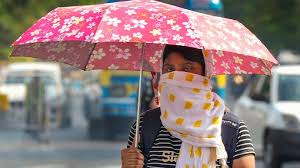
A heatwave alert has been issued by the India Meteorological Department (IMD) and has predicted “severe” conditions in West Bengal, Odisha, Bihar and Jharkhand this week. Several other southern states are also to experience heatwave conditions.
Extreme temperatures can negatively impact the body, leading to dehydration and in fatal cases, stroke.
Since many people are out in the sun during their daily activities, fainting becomes common phenomenon which should be avoided completely.
WHAT IS FAINTING?
The body regulates its temperature based on the external temperature, but when the temperature rises, the body is unable to maintain it and the sweating mechanism fails, resulting in heat exhaustion and fainting.
Fainting, medically termed syncope, is a transient loss of consciousness often accompanied by a brief loss of muscle tone.

“In hot weather, the body tries to keep its internal temperature stable, and sweating is one of the most typical strategies. It causes loss of fluids, which finally leads to fainting and dehydration. When the temperature rises above 45 degrees Celsius, humans experience it.
Fainting can happen in both hot and cold temperatures. In scorching heat or freezing cold, the body’s thermoregulatory mechanisms are put to the test.
In high temperatures, excessive sweating can lead to dehydration and electrolyte imbalances, impairing blood flow to the brain and increasing the risk of fainting.
Conversely, in cold temperatures, blood vessels constrict to conserve heat, potentially reducing blood flow to vital organs and triggering fainting episodes.
Fainting in extreme temperatures poses additional risks of injury and complications.
In hot environments, falls resulting from fainting can lead to heat-related injuries such as burns or heatstroke.
WHAT ARE THE WARNING SIGNS OF FAINTING?
One may feel dizzy, have a headache, heightened thirst and heat exhaustion. The most important way to prevent it is by wearing loose fitting and light weight clothing, drink plenty of fluids, never leave anyone in a parked car and try not going outdoors when the temperature exceeds 45 degrees Celsius
As temperatures soar during heatwaves, the risk of fainting due to heat-related illnesses increases. Fainting, also known as syncope, can occur when the body struggles to regulate its temperature, leading to a temporary loss of consciousness. To stay safe and healthy during hot weather, it’s essential to take proactive measures to prevent fainting. Here are some tips to beat the heat and avoid fainting as temperatures rise:
1. Stay Hydrated
One of the most crucial steps in preventing fainting during a heatwave is to stay hydrated. Drink plenty of water throughout the day, and avoid beverages that can contribute to dehydration, such as those containing caffeine or alcohol.
2. Stay Cool
Seek out cool environments, such as air-conditioned spaces or shaded areas, to lower your body temperature. Use fans or cool cloths to help cool down, especially during the hottest parts of the day.
3. Dress Appropriately
Wear lightweight, loose-fitting clothing in light colors to reflect sunlight and heat. This can help prevent your body from overheating during hot weather.
4. Limit Outdoor Activities
Try to limit your time outdoors during the peak heat hours, typically from late morning to early evening. If you need to be outside, take frequent breaks in shaded or cool areas and avoid strenuous activities.
5. Take Breaks
If you’re engaging in outdoor activities, take regular breaks in shaded or cool areas to rest and hydrate. Overexertion in high temperatures can increase the risk of heat-related illnesses.
6. Eat Light
Opt for light, easy-to-digest meals that won’t add extra heat to your body. Avoid heavy or spicy foods that can increase internal temperature and make it harder for your body to cool down.
7. Know the Signs
Be aware of the signs of heat exhaustion, such as excessive sweating, dizziness, nausea, and headache. If you experience these symptoms, move to a cooler place, rest, and hydrate.
8. Use Cooling Measures
Use cool compresses, take cool showers, or mist yourself with water using a spray bottle to help lower your body temperature and prevent overheating.
9. Check on Vulnerable Individuals
Keep an eye on children, elderly individuals, and pets during heatwaves, as they are more susceptible to heat-related illnesses. Ensure they have access to cool environments and plenty of water.
10. Seek Medical Attention if Needed
If you or someone else experiences severe symptoms like fainting, confusion, rapid pulse, or hot, dry skin, seek medical attention immediately. Heat-related illnesses can escalate quickly and require prompt treatment.
By following these tips and staying mindful of your body’s response to heat, you can enjoy the summer safely and reduce the risk of fainting during heatwaves. Stay cool, hydrated, and informed to beat the heat effectively.
YOU MAY LIKE– The Evolution of Horlicks: From Health Drink to Lifestyle Beverage