




In recent years, wireless earphones have emerged as more than just accessories for music lovers. They have found a new purpose as affordable alternatives to traditional hearing aids. This shift has been driven by advancements in technology and a growing awareness of the challenges faced by individuals with hearing impairments. In this article, we will explore how wireless earphones are being repurposed as inexpensive hearing aids, their benefits, and considerations for those considering this option.
The Evolution of Hearing Aid Technology
Traditional hearing aids have long been the primary solution for individuals with hearing loss. These devices are designed to amplify sound and improve the wearer’s ability to hear. However, they often come with a hefty price tag, making them inaccessible to many who need them. This gap in accessibility has prompted researchers and innovators to explore alternative solutions, leading to the repurposing of wireless earphones.
Wireless Earphones as Hearing Aids: How Does It Work?
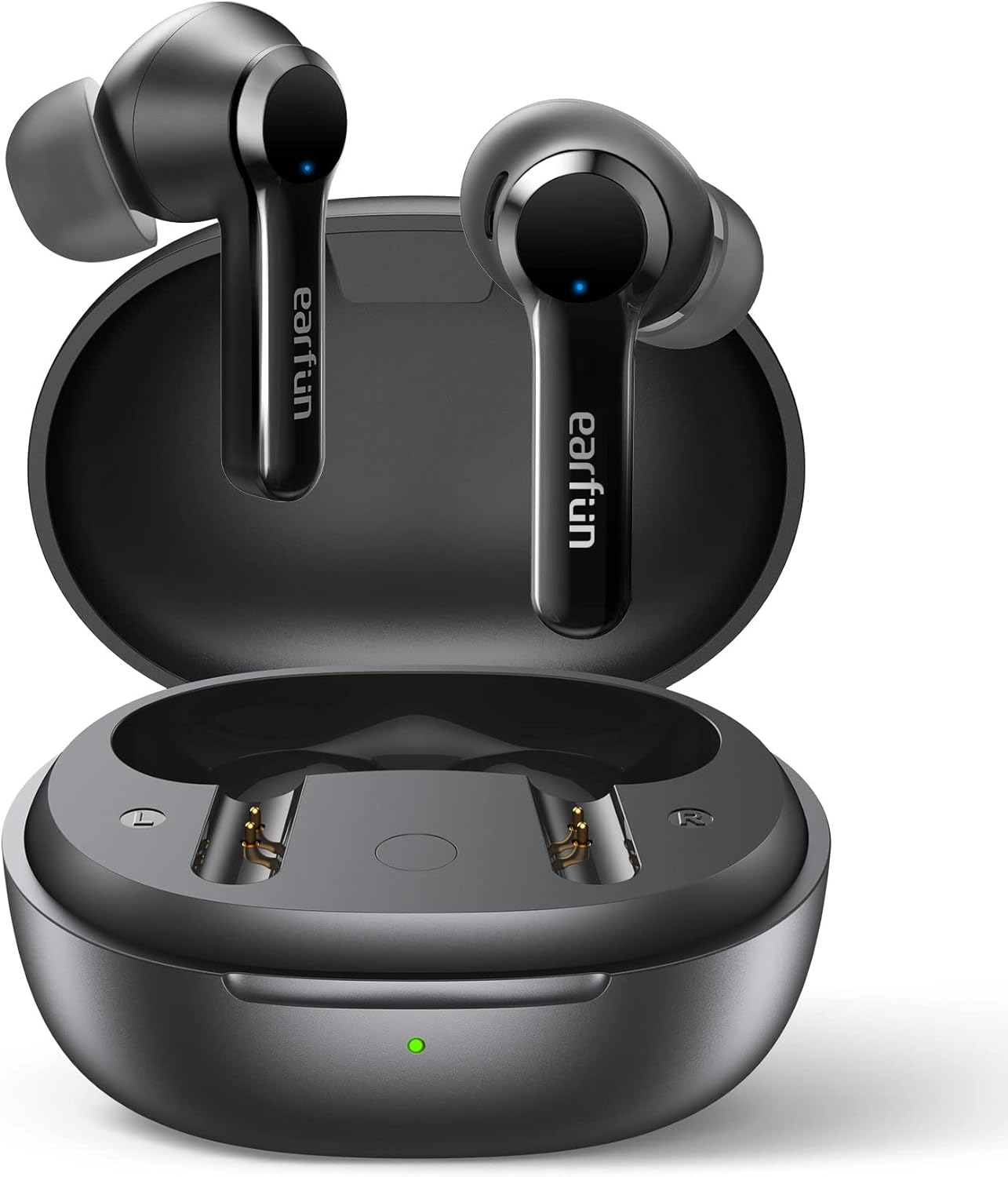
Wireless earphones, like traditional hearing aids, can be used to amplify sound. They connect to a smartphone or other device via Bluetooth, allowing the wearer to adjust volume levels and customize settings. Some wireless earphones even come with built-in features specifically designed for hearing assistance, such as noise cancellation and sound enhancement.
Benefits of Using Wireless Earphones as Hearing Aids
- Affordability: One of the most significant advantages of using wireless earphones as hearing aids is their affordability. Compared to traditional hearing aids, which can cost thousands of dollars, wireless earphones are much more budget-friendly.
- Discreetness: Wireless earphones are often designed to be discreet, with sleek and minimalistic designs that blend in with everyday attire. This can be particularly appealing to individuals who may feel self-conscious about wearing traditional hearing aids.
- Versatility: Wireless earphones offer versatility beyond hearing assistance. They can also be used for listening to music, taking calls, and accessing digital content, making them multi-functional devices.
- Customization: Many wireless earphones come with companion apps that allow users to customize their listening experience. This includes adjusting volume levels, fine-tuning frequencies, and applying sound enhancement features tailored to individual preferences.
Considerations When Using Wireless Earphones as Hearing Aids
While wireless earphones offer several benefits as hearing aids, there are some considerations to keep in mind:
- Sound Quality: While wireless earphones can amplify sound, the quality may not be as precise as that of dedicated hearing aids. Users should test different models to find one that provides the desired clarity and amplification.
- Battery Life: Battery life varies among wireless earphone models. Users should choose devices with long-lasting batteries to ensure continuous usage throughout the day.
- Fit and Comfort: Comfort is crucial when wearing any hearing device for extended periods. Ensure that the wireless earphones fit securely and comfortably in your ears to avoid discomfort or irritation.
- Compatibility: Check the compatibility of wireless earphones with your smartphone or device. Some models may require specific operating systems or software for full functionality.
Wireless earphones have transformed from music accessories to versatile tools for hearing assistance. Their affordability, discreetness, versatility, and customization options make them an attractive alternative to traditional hearing aids. However, users should consider factors such as sound quality, battery life, comfort, and compatibility when choosing wireless earphones for hearing assistance. With continued advancements in technology, wireless earphones are likely to play an increasingly important role in improving accessibility to hearing solutions for individuals with hearing impairments.
you may like- Unveiling YouTube Music’s ‘Hum to Search’ Feature and Its Benefits